What Is Malaria?
Malaria is a disease caused by parasites called Plasmodium, transmitted through the bite of infected female Anopheles mosquitoes. These mosquitoes typically bite between dusk and dawn. In Liberia, the most dangerous type — Plasmodium falciparum — is responsible for most cases and can become life-threatening within 24 hours if untreated.
Know the Symptoms
Malaria symptoms usually appear 7 to 14 days after a mosquito bite. The first signs are easy to mistake for flu:
- High fever — often sudden and severe, may come in cycles
- Chills and shaking — feeling cold even when the temperature is high
- Severe headache
- Muscle and body aches
- Fatigue and weakness
- Nausea, vomiting, or diarrhoea
- Sweating heavily after the fever breaks
Severe Malaria — Danger Signs
These symptoms mean the malaria is severe and is a medical emergency:
- Confusion, difficulty waking, or unconsciousness
- Convulsions (seizures)
- Difficulty breathing
- Yellow eyes or skin (jaundice)
- Very dark or brown urine ("blackwater fever")
- Inability to keep fluids down
How to Prevent Malaria
Prevention is far better than treatment. Here is how to protect your family:
Sleep Under a Treated Mosquito Net
Long-lasting insecticidal nets (LLINs) are the single most effective way to prevent malaria. They are especially important for children under 5 and pregnant women. Make sure the net has no holes and is tucked under the mattress properly.
Use Mosquito Repellent
Apply repellent containing DEET or picaridin on exposed skin, especially in the evenings. Burning mosquito coils or using plug-in repellents indoors also helps.
Eliminate Standing Water
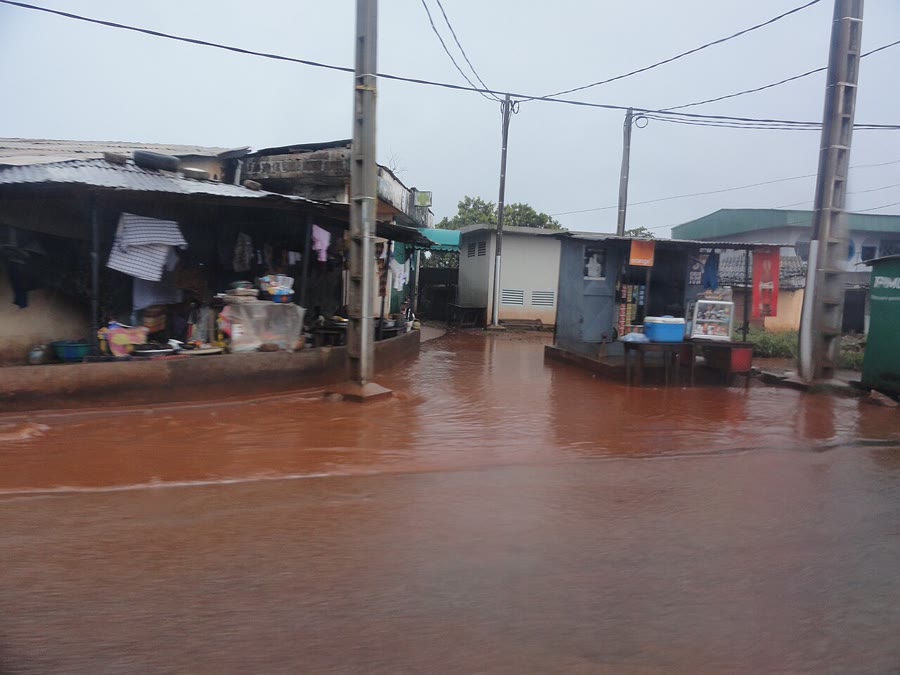
Mosquitoes breed in standing water. Empty buckets, flowerpots, tyres, and containers around your home. Keep water storage containers tightly covered. Clear gutters of debris so water drains freely.
Wear Protective Clothing
In the evenings, wear long sleeves and long trousers to reduce skin exposure to mosquitoes.
Preventive Medicine for High-Risk Groups
Pregnant women in Liberia should receive Intermittent Preventive Treatment (IPTp) during antenatal visits. Children under 5 in high transmission areas may benefit from Seasonal Malaria Chemoprevention — speak to our pharmacist for guidance.
Treatment
If you suspect malaria, do not self-treat with leftover medicines — the parasite may be resistant to what you have. The treatment depends on the type of malaria and its severity.
The WHO-recommended first-line treatment for uncomplicated falciparum malaria in Liberia is Artemisinin-based Combination Therapy (ACT). This requires a prescription. Complete the full course even if you feel better — stopping early allows resistant parasites to survive.
Antimalarial Medication Available at Ducor Pharmacy
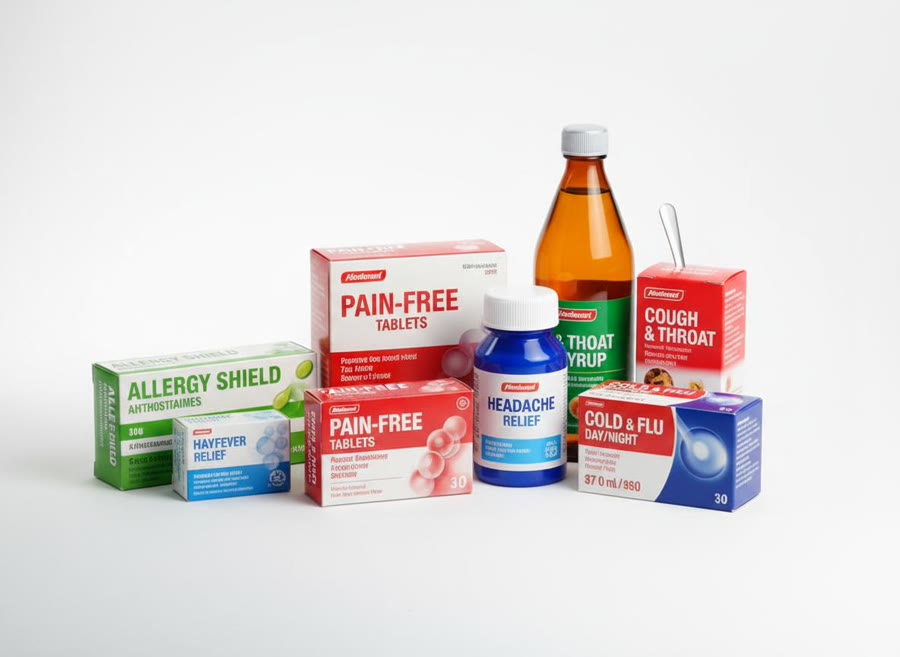
We stock prescribed antimalarial treatments, mosquito repellents, and fever medicines. Our pharmacist can advise on the right treatment for your situation.
View Prescription Medications →